
Post-Workout Massage: Speed Up Muscle Recovery Naturally
Mar 31, 2026
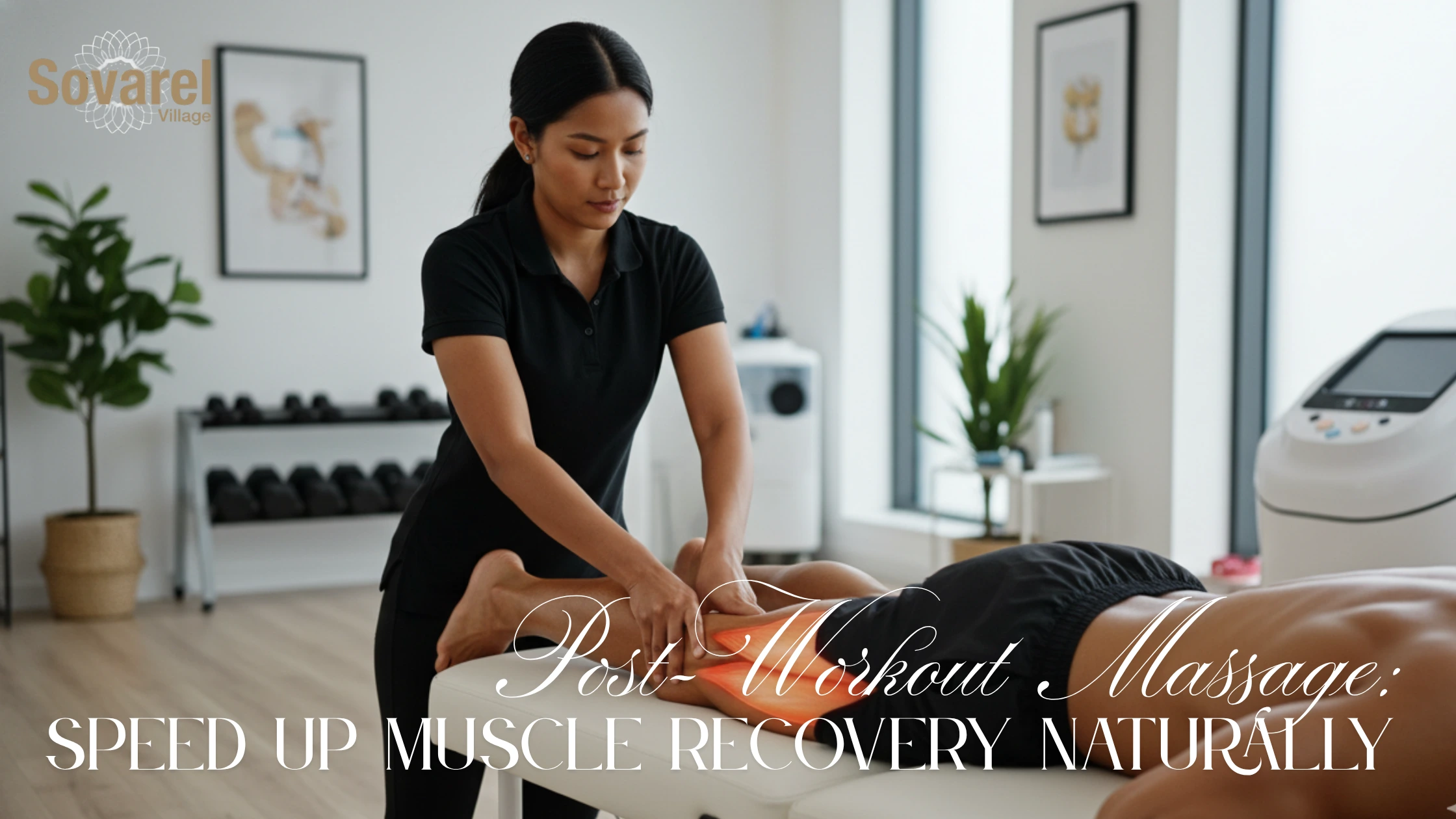
Training consistently is only half the equation. The other half is recovering well enough to train again. Most people handle recovery with sleep, protein, and waiting, which works up to a point.
What it does not do is address the physical changes that accumulate in muscle tissue with repeated training. Massage does, and the difference between people who include it in their routine and those who do not shows up clearly over months of consistent training.
What Is a Post-Workout Massage?
A post-workout massage is therapeutic work applied to muscles stressed through exercise targeting areas of tightness, restricted circulation, and accumulated tension that persist after training ends. It is not the same as a general relaxation massage. The focus, pressure, and techniques are specific to what exercise does to muscle tissue.
People looking for the best post workout massage in Gurugram are typically trying to solve one of two problems: reducing soreness between sessions or maintaining the physical condition needed to keep training without progressively breaking down.
How Massage Helps Muscle Recovery
Exercise creates microscopic damage in muscle fibres as part of the adaptation process. This damage triggers inflammation and produces metabolic waste that causes the soreness felt in the following days.
Massage improves blood flow through affected tissue, accelerating nutrient and oxygen delivery needed for repair while helping clear the metabolic byproducts driving the soreness. The recovery window shortens, and the soreness that develops is less disruptive. Rest produces the same outcome eventually; massage produces it faster.
Reduces Muscle Pain and Soreness
Delayed onset muscle soreness peaks roughly twenty-four to forty-eight hours after training. Massage applied either immediately post-session or as soreness begins developing targets the physical mechanisms behind that discomfort directly.
A muscle recovery spa that understands training physiology focuses on the specific muscle groups stressed during the session rather than applying a standard sequence regardless of what was actually trained. That targeted approach produces meaningfully better results than generic massage applied after exercise without that context.
Improves Flexibility and Movement
Repeated training without soft tissue maintenance gradually reduces range of motion. Tension accumulates, adhesions form, and movement patterns become restricted sometimes slowly enough that the change goes unnoticed until something becomes injured.
Regular post-workout massage maintains tissue quality, reduces adhesion formation, and preserves the mobility that consistent training tends to erode over time. For anyone whose training involves the same movement patterns repeatedly, this maintenance function is as important as the recovery function.
Boosts Relaxation and Energy
Physical training stresses the nervous system alongside the muscular system, and nervous system recovery is slower and less responsive to passive rest than most people account for.
Sports massage benefits include nervous system recovery alongside the muscular work, reducing the overall physiological stress load and allowing the kind of complete recovery that makes the next training session better rather than just survivable. A massage spa in Gurugram that creates a genuinely restorative environment delivers both components rather than just the physical side.
When Should You Get a Post-Workout Massage?
Within a few hours of finishing, trains work well to prevent significant soreness. The following day as soreness peaks, it works to reduce what has already developed. Weekly sessions timed after the heaviest training day produce the most consistent benefit for people training multiple times a week. Monthly sessions maintain baseline tissue quality for moderate training loads.
Tips for Better Results
Tell the therapist exactly which muscle groups were trained and at what intensity vague descriptions produce generic sessions. Drink water before and after. Avoid training the same muscle groups intensely in the twenty-four hours following a deep post-workout session. Combine massage with adequate sleep; both contribute to recovery simultaneously, and neither fully substitutes for the other.
Conclusion
Sports massage benefits build with consistency in ways that occasional sessions only hint at. A muscle spa that understands training physiology produces outcomes that general relaxation massage applied after exercise cannot match. For anyone training regularly with long-term performance in mind, post-workout massage is part of the training programme, not an addition to it.